Famous Mexican Historical Figures: 7 Leaders Who Shaped the Nation
When you dive into the stories of famous Mexican historical figures, you quickly realize that the history of Mexico is anything but boring. It is a dramatic saga filled with passionate rebels, brilliant strategists, and everyday people who stood up for what they believed in. From the early days of fighting for independence from Spain to the chaotic battles of the Mexican Revolution, these leaders helped forge the country’s identity.
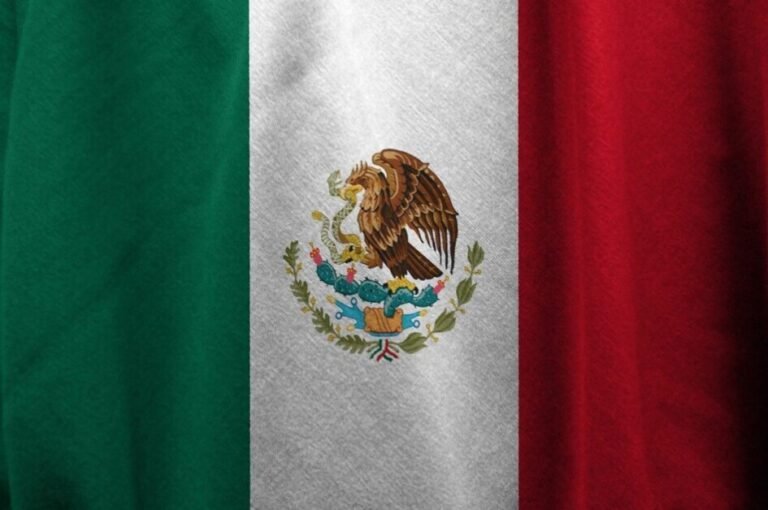
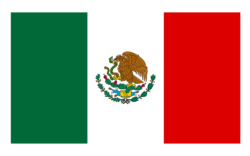
Understanding these heroes is about more than just memorizing dates for a history test. It helps explain why the Mexican flag looks the way it does and why the culture is so proud and resilient today. While countless men and women contributed to the cause, a few key leaders stand out because their decisions shifted the entire course of the nation.
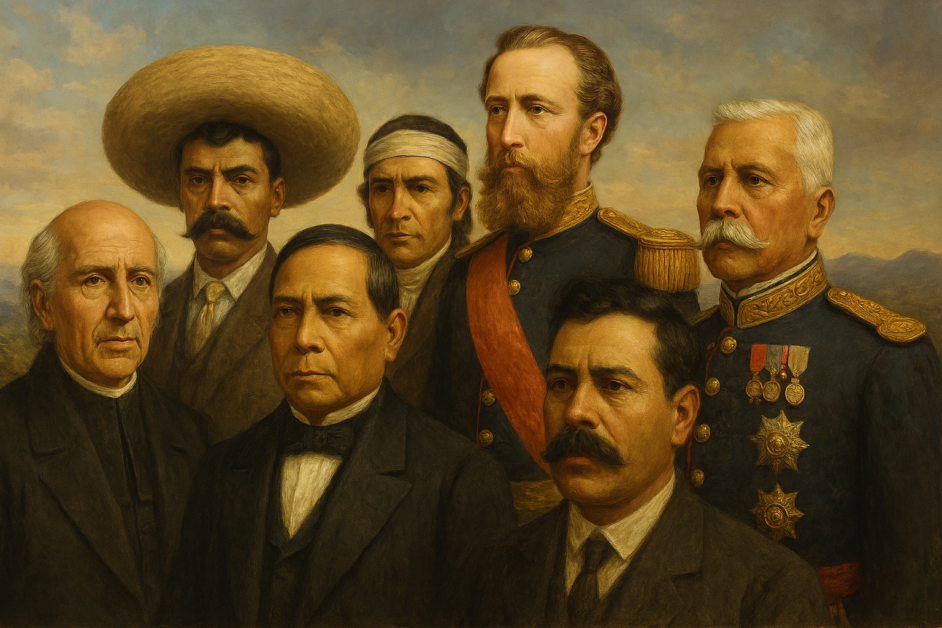
In this post, we are going to explore 7 of the most influential leaders of Mexico. Whether they were fighting with a pen, a sword, or a presidential decree, they all shared a common goal: to build a stronger nation. If you want a broader look at the events that shaped their lives, check out this overview of Mexican History to see the bigger picture.
Famous Mexican Historical Figures
Miguel Hidalgo y Costilla (1753–1811)
Role: The Father of the Nation
When you think of famous Mexican historical figures, Miguel Hidalgo is usually the first name that comes to mind. Interestingly, he wasn’t a general or a politician originally—he was a Catholic priest in the small town of Dolores. But he wasn’t your average priest; he was an intellectual who questioned the authority of Spain and believed in better treatment for the indigenous people of Mexico.
His most famous moment happened in the early hours of September 16, 1810. This event is known as the Grito de Dolores (Cry of Dolores). Hidalgo rang the church bells and gave a fiery speech that effectively launched the Mexican War of Independence. That date is now celebrated as Mexico’s Independence Day.
Hidalgo is especially important because of the symbol he chose to lead his army. He didn’t have a standard military flag; instead, he grabbed a banner of the Virgin of Guadalupe from a church in Atotonilco. This image became the first rallying “flag” for the insurgents, uniting people of different backgrounds under one cause.
Although he was captured and executed in 1811, his courage ignited a fire that couldn’t be put out. He proved that the fight for liberty starts with the courage to speak up.
You can learn more about his early life and his unexpected path to leadership in this biography of Miguel Hidalgo y Costilla.
José María Morelos (1765–1815)
Role: The Servant of the Nation
After Hidalgo was captured, the fight for independence didn’t end. It was picked up by another priest, José María Morelos, who proved to be a brilliant military strategist. While Hidalgo was the spark, Morelos was the organizer who turned a rebellion into a real government.
He is one of the most respected famous Mexican historical figures because he gave the movement a clear purpose. Instead of just fighting against Spain, he fought for a new system. In 1813, he presented a document called the “Sentiments of the Nation” (Sentimientos de la Nación). In it, he called for Mexico to be free, for slavery to be banned forever, and for all people to be treated equally, regardless of their background.
One of the coolest facts about Morelos is his humility. When his followers wanted to give him a fancy title like “Your Highness,” he refused. He said he simply wanted to be known as the “Servant of the Nation.”
Today, his legacy is everywhere. The city of Valladolid was renamed Morelia in his honor, and you can often find his face on the 50-peso bill. He showed that true leadership isn’t about power—it’s about serving the people.
For a deeper look at his military campaigns and political ideas, check out this entry on José María Morelos.
Benito Juárez (1806–1872)
Role: Benemérito de las Américas (Hero of the Americas)
If there is one person on this list of famous Mexican historical figures who represents the “American Dream” (Mexican style), it’s Benito Juárez. Born a Zapotec indigenous person in Oaxaca, he didn’t even speak Spanish until he was 12 years old. Yet, through hard work and education, he became a lawyer, a governor, and eventually the first indigenous president of Mexico.
Juárez is famous for leading the country during a time called La Reforma (The Reform). He believed that for Mexico to grow, the government needed to be separate from the church. This was a huge deal at the time and caused a lot of conflict, but it eventually established the modern, secular laws that Mexico follows today.
He also led the resistance against the French when they invaded Mexico to install Emperor Maximilian. While the Battle of Puebla (celebrated as Cinco de Mayo) happened during his presidency, his real victory was refusing to give up until the French left and the Republic was restored.
His legacy is best summarized by his most famous quote, which you will often see engraved on statues and government buildings: “Among individuals, as among nations, respect for the rights of others is peace.”
To learn more about his incredible rise from a shepherd to the presidency, read this biography of Benito Juárez.
Porfirio Díaz (1830–1915)
Role: The Modernizer / The Dictator
Porfirio Díaz is arguably the most controversial name on this list of famous Mexican historical figures. If you ask some people, he was a hero who brought order to chaos; if you ask others, he was a villain who kept the poor in poverty. The truth is, he was a bit of both.
Díaz ruled Mexico for over 30 years, a period known as The Porfiriato. Before him, Mexico was unstable and constantly fighting. Díaz used an “iron fist” to bring peace and stability. Under his watch, Mexico modernized rapidly: railroads were built, electricity arrived, and foreign businesses invested heavily in the country.
However, this progress came at a huge cost. While the rich got richer, the vast majority of Mexicans lost their land and lived in extreme poverty. He famously said, “Order and Progress,” but he forgot about justice and democracy. He kept re-electing himself over and over again, eventually leading to huge resentment.
His refusal to step down is exactly what triggered the Mexican Revolution in 1910. He is a reminder that economic success doesn’t mean much if the people aren’t free.
You can explore the details of his long and complex presidency in this profile of Porfirio Díaz.
Francisco I. Madero (1873–1913)
Role: The Apostle of Democracy
While Porfirio Díaz was the “iron fist,” Francisco I. Madero was the voice of change. He is one of the famous Mexican historical figures who proves that you don’t need to be a muscle-bound general to start a revolution—sometimes you just need a really good idea and the courage to write it down.
Madero was actually from a wealthy family, so he had a comfortable life. But he couldn’t stand seeing Díaz re-elect himself forever while regular people had no say. In 1910, he wrote a famous document called the Plan of San Luis Potosí. It included a slogan that is still famous in Mexico today: “Sufragio Efectivo, No Reelección” (Effective Suffrage, No Re-election). Basically, he demanded that votes should actually count and presidents shouldn’t stay in power indefinitely.
His call to action worked! It sparked the Mexican Revolution and forced Díaz to leave the country. Madero became president, but sadly, his story has a tragic ending. He was a bit too trusting and was betrayed by one of his own generals, Victoriano Huerta, during a bloody period known as the Ten Tragic Days.
Even though his presidency was short, he is honored as the “Apostle of Democracy” because he lit the fuse that ended the dictatorship.
For more on his pivotal role in starting the revolution, check out this biography of Francisco Madero.
Emiliano Zapata (1879–1919)
Role: The Attila of the South
While Madero was fighting for democracy in the capital, Emiliano Zapata was fighting for something much more basic in the south: land. Of all the famous Mexican historical figures, Zapata is arguably the most recognizable symbol of the “common man.” He wasn’t interested in being president or having power for himself; he just wanted the farmers to own the land they worked on.
Zapata led the “Liberation Army of the South” and wore the traditional outfit of a charro (Mexican horseman), complete with a giant sombrero and his legendary mustache. His slogan was simple but powerful: “Tierra y Libertad” (Land and Liberty).
He realized that getting rid of a dictator like Díaz wasn’t enough if the rich land owners still controlled everything. He wrote the Plan of Ayala, which declared that the land should be taken from the wealthy haciendas and given back to the peasants. He was incredibly stubborn about his ideals—he famously said, “It is better to die on your feet than to live on your knees.”
Zapata was eventually ambushed and killed, but his spirit never died. His fight for agrarian reform changed the Mexican Constitution and ensured that land rights became a permanent part of Mexican law.
To read more about his life as a revolutionary leader, see this article on Emiliano Zapata.
Lázaro Cárdenas (1895–1970)
Role: The People’s President
If the Revolution was the explosion, Lázaro Cárdenas was the architect who rebuilt the house afterwards. He is one of the most beloved famous Mexican historical figures because he actually delivered on the promises that Zapata and Madero fought for.
Cárdenas became president in 1934, and unlike leaders before him, he spent most of his time traveling to small villages and listening to regular people. He is most famous for a bold move he made in 1938: he kicked out foreign oil companies and nationalized the oil industry. This means he declared that Mexico’s oil belonged to Mexico, not to businesses in the U.S. or Europe. This created PEMEX, the state-run oil company.
He also followed through on land reform, distributing millions of acres of land to peasants (called ejidos). He didn’t just talk about helping the poor; he actually signed the papers to make it happen.
Cárdenas is remembered as the president who gave Mexico its economic independence and dignity. He proved that a government could work for the benefit of its own citizens rather than foreign interests.
For more details on his presidency and the oil expropriation, you can read this overview of Lázaro Cárdenas.
Conclusion
As you can see, the story of Mexico isn’t just one long timeline—it’s a collection of bold choices made by brave people. These famous Mexican historical figures didn’t always agree with each other (in fact, some of them fought wars against each other!), but they all shared a deep love for their country.
From Miguel Hidalgo ringing the bell for freedom to Lázaro Cárdenas standing up for Mexico’s resources, each leader added a new layer to the nation’s identity. They are the reason the Mexican flag flies with such pride today.
Understanding these 7 leaders gives you a huge head start in understanding Mexican culture. Next time you see a statue in a plaza or a face on a peso bill, you’ll know exactly who they are and why they matter.
Frequently Asked Questions (FAQ)
Q. Who is considered the most famous Mexican historical figure of all time?
A. While it is hard to pick just one, Miguel Hidalgo y Costilla is generally considered the most famous. As the "Father of the Nation," he started the movement that created Mexico. However, Emiliano Zapata is arguably the most recognizable icon worldwide due to his image representing rebellion and the fight for the poor.
Q. Are there any famous women in Mexican history?
A. Absolutely! While this list focused on political and military leaders who were men, women played huge roles too. Josefa Ortiz de Domínguez (known as "La Corregidora") was a key conspirator who warned Hidalgo to start the revolution. Sor Juana Inés de la Cruz was a genius writer and nun who fought for women's education long before it was popular.
Q. Where can I see monuments dedicated to these figures?
A. The most famous spot is the Angel of Independence (El Ángel) in Mexico City. It is a massive column topped with a golden angel, and inside the base, the remains of heroes like Hidalgo, Morelos, and Allende are buried. It is the heart of celebrations and protests in the country.
Q. Did these figures design the Mexican flag?
A. Not exactly, but they influenced it. The "Three Guarantees" army at the end of the Independence war established the Green, White, and Red colors. Leaders like Venustiano Carranza (another revolutionary) later modified the eagle emblem to the version we see today to distinguish it from the one used during French intervention.
Q. Is Cinco de Mayo a celebration of Mexican Independence?
A. No! This is a common myth. Independence Day is September 16th (Hidalgo's cry). Cinco de Mayo celebrates the victory at the Battle of Puebla led by General Ignacio Zaragoza against the French army. It was important, but it didn't make Mexico independent.