Quiet Beach Towns in Mexico for Retirees: The Top 5 Locations for a Peaceful Life
Finding quiet beach towns in Mexico for retirees is like discovering a hidden level in a video game—it takes a little searching, but the reward is totally worth it. While most people think of Mexico as just one big spring break party in Cancun, there’s actually a much calmer side to the coast where life moves at the speed of a swaying hammock. For many seniors, the goal isn’t to find the loudest club, but to find a place where they can enjoy a sunset without a thousand selfies happening in the background.
Retiring abroad is becoming a huge trend because it allows people to stretch their savings while enjoying a high quality of life. According to experts at AARP, Mexico remains a top choice because of its amazing weather, friendly culture, and proximity to the U.S. and Canada. Plus, for those who want to keep things “low-key,” these smaller towns offer a sense of safety and community that you just can’t find in a massive city.
Whether they are looking for the calm turquoise waters of the Caribbean or the rugged, surf-vibey cliffs of the Pacific, there is a perfect spot waiting. If you’re helping a family member research their next chapter, checking out official resources like the U.S. Department of State’s Mexico Travel Advisory is always a smart first step to stay updated on the best areas to visit.
The Top 5 Quiet Beach Towns in Mexico for Retirees
Lo de Marcos, Nayarit (The “Real Mexico” Feel)
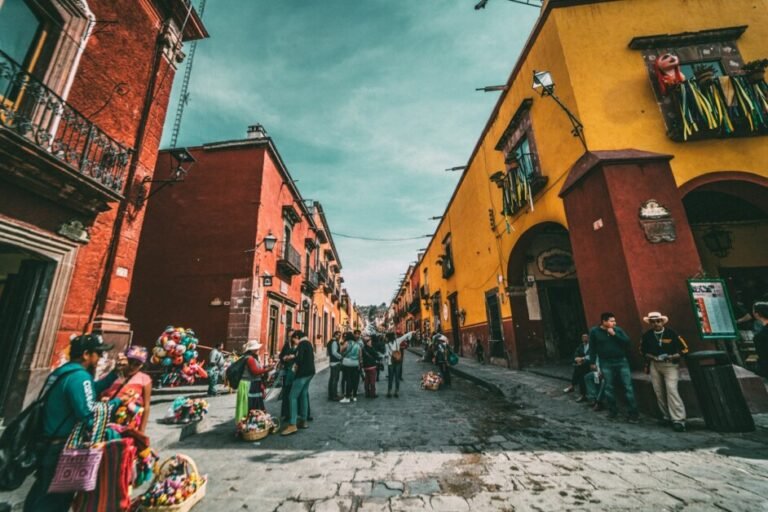
If you want to see what coastal Mexico looked like before the giant resorts moved in, Lo de Marcos is the place to be. Located in the beautiful state of Nayarit, this town is often described by locals as a “pueblito” (small village) because it has kept its traditional charm. You won’t find high-rise hotels or loud shopping malls here. Instead, you’ll find cobblestone streets, roosters waking you up in the morning, and neighbors who actually know each other’s names.
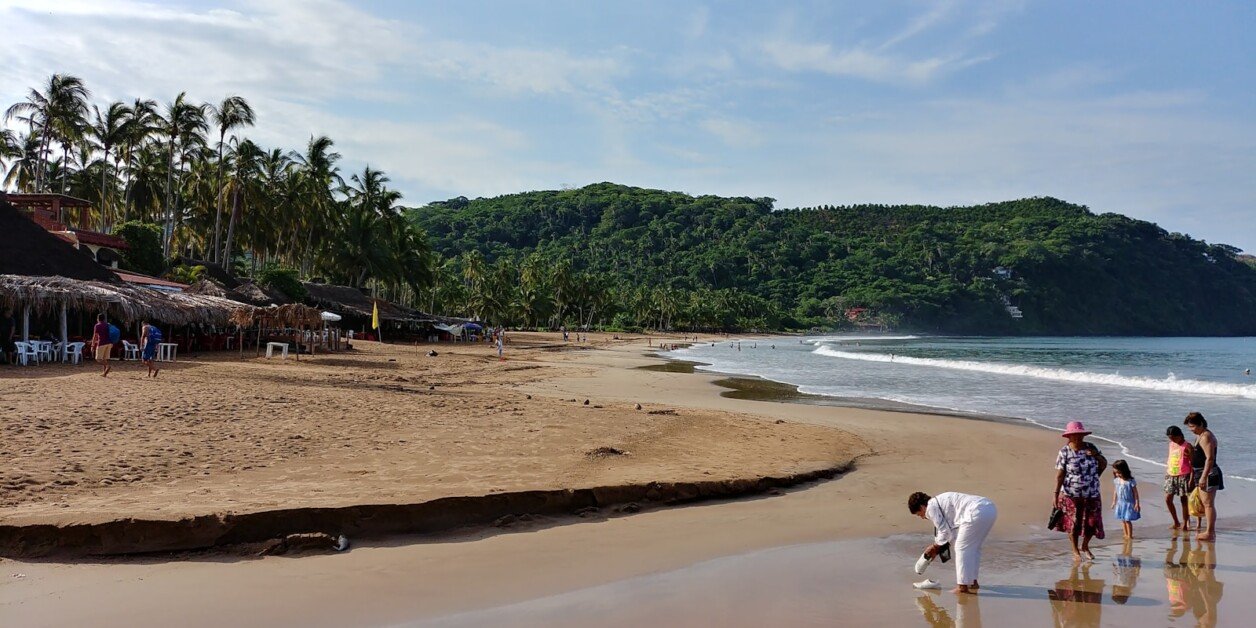
For retirees who value a slow pace, Lo de Marcos is a dream. The town is super walkable, and the main beach is wide and quiet, perfect for long morning strolls or just sitting with a book. One of the coolest parts about this community is the “Tianguis” (open-air market) held during the winter months, where you can buy organic food and handmade crafts directly from local artists. According to the official Riviera Nayarit tourism site, this area is famous for its natural beauty and is a favorite for those who want to avoid the “tourist traps” of bigger cities.
Safety and health are usually top priorities for anyone moving abroad, and this town has both covered. While it’s small, there are local clinics like Centro Medico Riviera right in town that provide personalized care. Plus, if you ever need a big-city fix or a major hospital, the bustling city of Puerto Vallarta is only about an hour’s drive away. It’s basically the best of both worlds: total peace and quiet at home, with modern conveniences just a short trip down the road.
Loreto, Baja California Sur (Safe & Serene)
If you’re looking for a place where the mountains literally crash into the sea, Loreto is your spot. This town is a “Pueblo Mágico” (Magic Town), a special title given by the Mexican government to places with serious historical and cultural vibes. Unlike the busy tourist hubs further south in Baja, Loreto feels like a peaceful sanctuary where safety is the norm and everyone looks out for one another.
Retirees are drawn here because it’s one of the few quiet beach towns in Mexico for retirees that actually has its own international airport, Loreto International (LTO). This means you can live in a secluded paradise but still get a direct flight back to the U.S. or Canada in just a few hours. The town is also famous for its history—it was the first permanent Spanish settlement in the Californias, and you can still visit the stunning Mission of Our Lady of Loreto, which was founded way back in 1697.
The “backyard” of this town is the Loreto Bay National Marine Park, a UNESCO World Heritage site. Because the water is protected, it’s incredibly calm, making it perfect for seniors who enjoy kayaking, paddleboarding, or world-class whale watching without having to fight big waves. It’s the kind of place where you can spend your morning watching dolphins from the shore and your afternoon exploring the Sierra de la Giganta mountains.
Puerto Morelos, Quintana Roo (The Caribbean Village)
If you love the idea of turquoise Caribbean water but hate the “big city” vibe of Cancun, you’ll want to check out Puerto Morelos. It’s located right between Cancun and Playa del Carmen, but it feels a world away. This town is a genuine fishing village where the pace of life is much slower, and the community has fought hard to keep giant skyscrapers and massive resorts from taking over.
One of the best things about this spot for retirees is the water. The town is protected by the National Reef Park of Puerto Morelos, which is part of the second-largest barrier reef in the world. Because the reef acts like a natural breakwater, the waves are very gentle. It’s perfect for swimming or just wading in the warm water without having to worry about heavy surf. Plus, the beach is incredibly white and soft—exactly what you’d expect from a postcard.
Puerto Morelos is also super convenient. Even though it’s one of the most quiet beach towns in Mexico for retirees, it is only a 20-minute drive from the Cancun International Airport. This makes it incredibly easy for family to visit or for retirees to travel home. For day-to-day life, the town has a charming town square where you can sit at a sidewalk café and watch the world go by. It’s the perfect balance of feeling like you’re in a remote paradise while still having high-quality grocery stores and doctors nearby.
Chelem, Yucatán (Affordable & Authentic)
If your dream retirement involves emerald-green water and flamingos rather than high-rises and traffic, Chelem is a hidden treasure on the Gulf Coast. This sleepy fishing village has become a favorite for “snowbirds” from the U.S. and Canada who want to make their retirement savings go much further. Because it isn’t a mainstream tourist destination, the cost of living here is significantly lower than in places like the Riviera Maya, making it one of the most affordable quiet beach towns in Mexico for retirees.
Life in Chelem is wonderfully simple. You can spend your mornings watching the local fishing boats come in or exploring the nearby mangroves, which are famous for their vibrant flamingo colonies. The town has a very welcoming community where expats and locals mix easily, often gathering at the central plaza for events. According to Yucatán Today, a long-standing authority on the region, Chelem offers a “diamond in the rough” experience for those who want to truly immerse themselves in Mexican culture.
Don’t let the “sleepy” vibe fool you—convenience is just a short drive away. Chelem is only about 45 minutes from Mérida, which is consistently ranked as one of the safest cities in North America. For retirees, this proximity is a game-changer because Mérida is home to world-class medical facilities like Hospital Faro del Mayab, which offers high-tech care that rivals hospitals in the U.S. and Canada. You get to live in a peaceful beach shack lifestyle while staying less than an hour away from some of the best doctors in the country.
San Agustinillo, Oaxaca (The Eco-Friendly Retreat)
For those who want to spend their retirement surrounded by nature and rugged Pacific beauty, San Agustinillo is a dream come true. This tiny village is tucked between rocky cliffs and the ocean on the Oaxacan coast. It is widely considered one of the most quiet beach towns in Mexico for retirees who prefer a “bohemian” or eco-conscious lifestyle. You won’t find any chain stores or traffic lights here—just a single main road, boutique eco-hotels, and some of the best seafood in the country.
The atmosphere in San Agustinillo is all about wellness and relaxation. It’s the kind of place where people start their day with yoga on the beach or a long walk along the golden sands. The waves here are generally calmer than in neighboring surf spots, making the water much safer for swimming and cooling off. The town is also very close to the Mexican Turtle Center (Centro Mexicano de la Tortuga) in Mazunte, where you can learn about conservation efforts and even participate in turtle releases, which is a popular activity for local residents.
While it feels incredibly remote, it is actually quite accessible for visitors and travel. San Agustinillo is located about an hour’s drive from the Huatulco International Airport, which connects you to major cities across North America. For retirees who want to live “off the grid” without actually being off the grid, this coastal strip offers a unique sense of peace that is hard to replicate anywhere else in the world.
Key Considerations for Retiring in Mexico
Moving to one of these quiet beach towns in Mexico for retirees is super exciting, but it’s not just about picking out a swimsuit. There are a few “adulting” steps to handle first to make sure the transition is smooth. Most people start by looking at the legal side of things, specifically the Temporary Resident Visa. This is the official permission to live in Mexico for more than six months, and you typically apply for it at a Mexican consulate in your home country. For example, the Consulate General of Mexico in San Diego provides a clear list of the financial documents you’ll need to prove you’re ready for the move.
Another big topic is healthcare. Even in tiny beach towns, you’re never too far from high-quality medical care. Mexico has a mix of public and private options. Many retirees choose private insurance because it gives them access to top-tier hospitals like Médica Sur, which is consistently ranked as one of the best in the country and is a member of the Mayo Clinic Care Network. The best part? Even high-end private healthcare in Mexico often costs much less than in the U.S., making it easier to stay healthy on a budget.
Finally, it’s all about the community. The best way to see if a town fits is to do a “test drive.” Many people rent a house for a month during the off-season to see what the town is like when the tourists leave. Following experts like those at Mexperience can help you navigate the tricky details of residency and local laws. It’s also a great way to meet people and get the “inside scoop” on everything from the best local grocery stores to where to find the fastest Wi-Fi.
Conclusion
Finding the perfect spot among the many quiet beach towns in Mexico for retirees is all about matching the location to your personal “vibe.” Whether you want the rugged cliffs of the Pacific in San Agustinillo or the affordable, flamingo-filled shores of Chelem, Mexico offers a peaceful second act for anyone willing to look beyond the big resort cities. Retiring here isn’t just about the lower cost of living; it’s about trading the “hustle and bustle” for a life where the most important appointment of the day is watching the sunset.
If you’re ready to start your journey, remember that information changes fast. Keep an eye on the official Mexican Government Travel Alerts for the latest updates on safety and tourism. With a little planning and an adventurous spirit, your dream of a quiet life by the sea is closer than you think!
Frequently Asked Questions (FAQ)
Q. Do I need to speak perfect Spanish to live in these towns?
A. Not at all! While learning basic phrases will help you make friends and show respect for the culture, many of these towns have active expat communities where English is widely spoken. Resources like SpanishDict are great for practicing on your phone before you arrive.
Q. How much money do I need to prove I can live in Mexico?
A. For 2026, the financial requirements for residency have increased. To qualify for a Temporary Resident visa, you typically need to show a monthly income of around $4,100 to $4,500 USD or have significant savings. You can check the latest specific amounts at the Consulate General of Mexico in San Francisco website.
Q. Is it safe to drive between these quiet beach towns?
A. Generally, yes, especially during the day. Most retirees recommend using the "Cuota" (toll roads) whenever possible because they are better maintained and have higher security.
Q. Can I bring my pets with me when I retire?
A. Definitely! Mexico is very pet-friendly. You just need to ensure your dog or cat has a health certificate from your vet.